How long does paint protection film last
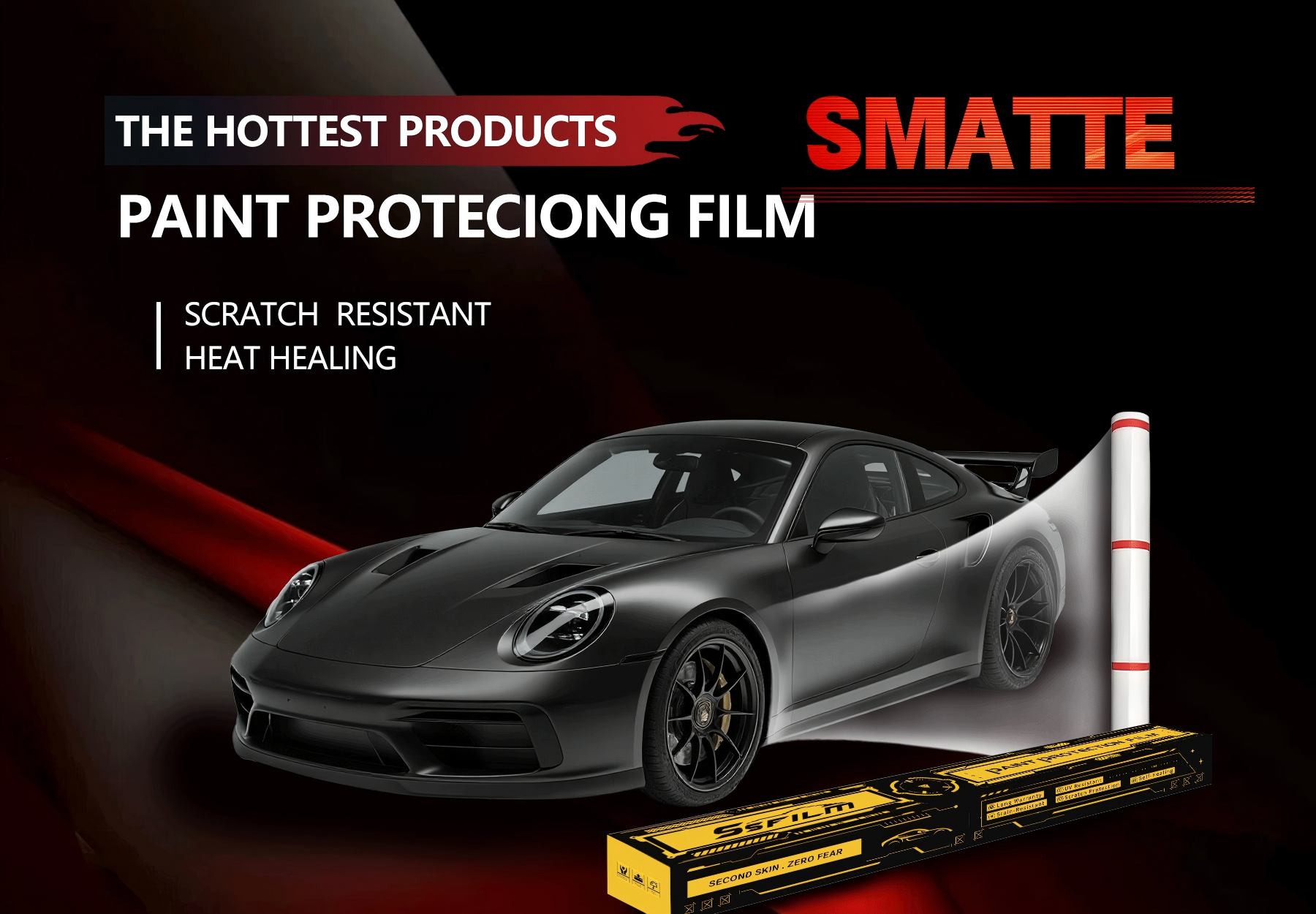
Paint Protection Film (PPF), often referred to as "clear bra" or "invisible shield," has become an essential investment for vehicle owners seeking to preserve their car’s exterior. This transparent urethane layer acts as a barrier against scratches, UV rays, chemical stains, and environmental debris. However, a common question persists: How long does PPF truly last? The answer depends on a blend of material quality, installation expertise, environmental conditions, and maintenance practices. This article explores these factors to provide a comprehensive understanding of PPF’s lifespan.
1.Material Quality: The Foundation of Durability
The longevity of PPF begins with its construction. High-quality films are engineered using advanced polymers, such as thermoplastic polyurethane (TPU), which offer superior elasticity, self-healing properties, and resistance to yellowing. For instance, premium brands like Xpel and 3M provide films with warranties ranging from 7 to 10 years, reflecting their confidence in the material’s durability. These films can withstand extreme temperatures, UV exposure, and abrasive particles without cracking or fading.
In contrast, lower-grade PPF made from cheaper materials may degrade within 3 to 5 years, exhibiting brittleness, discoloration, or reduced protective capabilities. A study by Atomic Auto Spa revealed that well-maintained premium PPF retains up to 85% of its protective properties after five years, underscoring the importance of material quality.
2.Installation: The Role of Professional Expertise
Even the best PPF can fail if improperly installed. Professional technicians use precision-cutting tools and controlled environments to ensure the film adheres seamlessly to the vehicle’s contours, avoiding bubbles, creases, or lifting edges. Improper installation can create weak points where dirt, moisture, or debris infiltrate, accelerating degradation.
For example, PPF applied to plastic panels (e.g., bumpers) may have a shorter lifespan (6 to 8 years) compared to metal surfaces (up to 10 years) due to differences in thermal expansion. Skilled installers account for these variables, optimizing adhesion and longevity.

3.Environmental Factors: Climate and Usage Patterns
The environment plays a pivotal role in PPF’s lifespan. Vehicles exposed to harsh conditions—such as intense sunlight, acid rain, or abrasive road salt—may experience faster film breakdown. In regions with frequent hailstorms or gravel roads, PPF is subjected to repeated impacts, which can cause micro-scratches or punctures over time.
Conversely, vehicles stored in garages or shaded areas tend to see their PPF last longer. Ghost Films notes that their self-healing PPF can endure 5 to 10 years even in hot climates, thanks to its ability to repair minor scratches through heat exposure (e.g., sunlight or warm water).
4.Maintenance: The Key to Prolonging Lifespan
Regular maintenance is critical to maximizing PPF’s durability. Experts recommend the following practices:
Gentle Washing:Use pH-neutral soaps and microfiber towels to avoid abrasive damage. Washing every two weeks prevents dirt buildup, which can scratch the film.
Avoid Harsh Chemicals: Products containing solvents, waxes, or ammonia can degrade PPF’s adhesive and topcoat.
Inspect for Damage: Look for signs of peeling, yellowing, or bubbling, especially around edges. Prompt repairs can prevent further deterioration.
Combine with Ceramic Coatings: Applying a ceramic coating over PPF enhances hydrophobicity and UV resistance, extending the film’s life by 1 to 2 years.
A detailing professional from Pit Stop Auto Detailing stated that with meticulous care, some high-quality PPF can last 12 years or more, though this is rare and depends on ideal conditions.
Conclusion: The Long-Term Value of Paint Protection Film
Paint Protection Film is a long-term investment in your vehicle’s aesthetics and resale value. While the average lifespan ranges from 5 to 10 years, premium films under optimal conditions can exceed a decade of protection. Material quality, professional installation, environmental exposure, and maintenance routines collectively determine its durability.
For car enthusiasts or luxury vehicle owners, PPF offers peace of mind by shielding against everyday hazards. By choosing a reputable brand, entrusting installation to certified technicians, and adhering to a maintenance regimen, you can ensure your Paint Protection Film remains a virtually invisible guardian for years to come. Ultimately, the longevity of PPF is not just about time—it’s about preserving the beauty and integrity of your vehicle, one layer at a time.