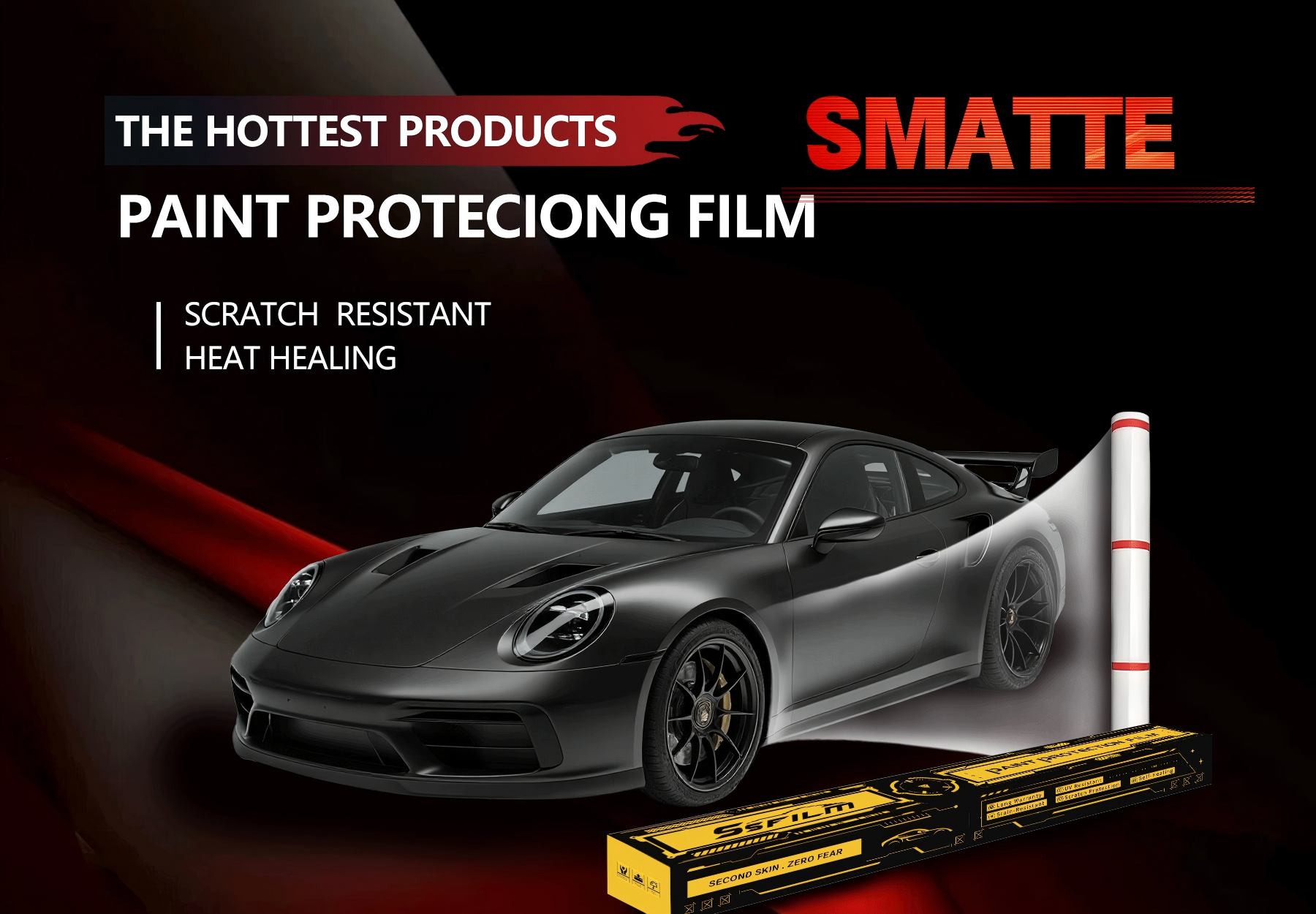
Can you wax paint protection film
Paint Protection Film (PPF), also known as clear bra or clear paint film, has become a staple in automotive care, offering robust defense against scratches, stone chips, and environmental damage. As vehicle owners seek to maintain their car’s pristine appearance, a common question arises: Can you wax PPF? The answer is nuanced—while waxing is possible, it requires careful product selection and technique to avoid compromising the film’s integrity. This article explores the science behind PPF, the risks and benefits of waxing, and best practices for maintaining this protective layer.
Understanding Paint Protection Film: Composition and Function
PPF is a thermoplastic urethane film engineered to absorb impacts from road debris, UV rays, and chemical contaminants. Its self-healing properties, activated by heat, allow minor scratches to disappear over time, while hydrophobic coatings repel water and dirt. Originally developed for military applications to shield helicopter rotor blades during the Vietnam War, PPF has evolved into a consumer-grade solution for cars, motorcycles, and even electronics.
Modern PPF is typically installed on high-impact areas such as hoods, bumpers, and side mirrors. Its OEM approval by automotive manufacturers underscores its reliability, and a 2023 study found that vehicles with PPF sustained 70% less damage from road debris compared to unprotected surfaces. This durability has fueled market growth, with the global PPF sector projected to expand at a 6.4% CAGR through 2030, driven by demand for high-performance automotive coatings.

The Waxing Dilemma: To Wax or Not to Wax?
PPF is designed to be low-maintenance, often featuring built-in hydrophobic and UV-resistant properties. Traditional waxing, while beneficial for bare paint, may not be necessary—or even advisable—for PPF. Here’s why:
Redundancy in Protection:
PPF’s hydrophobic layer already repels water and contaminants, reducing the need for additional sealants. Waxing might offer marginal gains in gloss but won’t significantly enhance the film’s core protective functions.
Risk of Damage:
Abrasive waxes or those containing solvents like naphtha or kerosene can degrade PPF’s adhesive properties or leave residues that dull its clarity. For example, petroleum-based products may react with the film’s polyurethane structure, leading to discoloration or peeling.
Self-Healing Interference:
Wax buildup could inhibit PPF’s ability to self-repair. The film relies on heat to smooth out scratches, but wax residues might trap debris or create uneven surfaces, undermining this feature.
Safe Waxing Practices for PPF
If you opt to wax PPF for aesthetic reasons, follow these guidelines to minimize risks:
Choose PPF-Compatible Products:
Opt for non-abrasive, synthetic waxes or polymer sealants free from polishing agents and petroleum distillates. These formulations are less likely to react with the film’s surface. For instance, water-based or ceramic-infused waxes can provide a protective barrier without compromising clarity.
Test in an Inconspicuous Area:
Before full application, test the wax on a small section of PPF (e.g., the inner fender) to check for adverse reactions like hazing or adhesion issues.
Apply Sparingly and Gently:
Use a microfiber cloth or foam applicator to spread the wax thinly and evenly. Avoid excessive pressure, which could scratch the film. Work in sections to ensure thorough coverage without overloading the surface.
Avoid High-Heat Areas:
Steer clear of waxing near engine bays or exhaust systems, where heat buildup might accelerate wax degradation or interact with PPF’s self-healing properties.
Regular Maintenance Trumps Waxing:
Instead of waxing, prioritize routine cleaning with pH-neutral soaps and deionized water to maintain PPF’s hydrophobic properties. Professional detailers often recommend ceramic coatings as a longer-lasting alternative to wax, offering up to five years of protection with proper care.
The Role of Professional Installation and Maintenance
PPF’s effectiveness hinges on proper installation. Professional technicians use specialized tools and techniques to ensure the film adheres seamlessly to the vehicle’s contours, minimizing edges where dirt or wax could accumulate. Post-installation, owners should:
Schedule regular inspections to check for lifting edges or discoloration.
Avoid automated car washes with harsh brushes, which can scratch PPF.
Use touchless washing methods or hand-wash with gentle products.
Market Trends and Innovations in PPF
The PPF industry is evolving rapidly, with manufacturers integrating advanced features like multi-layer coatings for enhanced scratch resistance and anti-yellowing technology to combat UV degradation. These innovations reduce the need for supplemental products like wax, aligning with consumer demand for low-maintenance solutions.
For example, next-gen PPFs incorporate graphene oxide to improve heat dissipation and durability, while nano-coating technologies boost hydrophobicity. Such advancements are particularly relevant in regions like Asia-Pacific, where automotive sectors are driving market growth.
Conclusion: Balancing Aesthetics and Protection with Paint Protection Film
While waxing paint protection film is technically feasible, it is rarely necessary and carries inherent risks if done improperly. PPF’s built-in hydrophobic, self-healing, and UV-resistant properties already provide superior protection against environmental damage, making additional waxing redundant for most users. For those seeking extra gloss, selecting a PPF-compatible synthetic wax and applying it with caution can offer temporary enhancement without compromising the film’s longevity.
Ultimately, the key to preserving paint protection film lies in proper installation, regular maintenance, and leveraging its inherent technological advantages. As the market continues to innovate, PPF remains a wise investment for vehicle owners prioritizing both aesthetics and durability. By understanding its capabilities and limitations, you can ensure your car’s protective layer stays in peak condition for years to come.