


What is paint protection film for the car
In the realm of automotive care, maintaining a vehicle’s pristine appearance is a priority for many owners. From daily commutes to weekend drives, cars are exposed to environmental hazards that can degrade their paintwork over time. Paint Protection Film (PPF), also known as clear bra or clear paint film, has emerged as a revolutionary solution to shield vehicles from physical and chemical damage. This transparent, thermoplastic polyurethane (TPU) film acts as an invisible armor, preserving a car’s aesthetic appeal while enhancing its resale value. This article delves into the science, benefits, applications, and future trends of PPF, offering a comprehensive guide for car enthusiasts and everyday drivers alike.
The Science Behind PPF: How It Works
Paint Protection Film is engineered to absorb and disperse impact energy, acting as a buffer between a car’s paint and external threats. Its core structure consists of multiple layers, including a top coat, a TPU base layer, and an adhesive backing. The top coat is formulated with advanced polymers that resist scratches, UV rays, and chemical stains, while the TPU layer provides flexibility and durability. When a rock, debris, or minor abrasion strikes the film, the urethane material flexes to absorb the force, preventing the paint beneath from chipping or cracking. This mechanism is particularly effective in high-impact zones such as hoods, front bumpers, and side mirrors, which are most vulnerable to road debris.
A standout feature of modern PPF is its self-healing technology. Certain formulations incorporate elastomeric polymers that revert to their original shape when exposed to heat, such as sunlight or warm water. This property allows minor scratches and swirl marks to disappear over time, maintaining the film’s smooth, glossy finish. For instance, Avery Dennison’s Supreme PPF Xtreme is renowned for its thick, durable design and self-repairing capabilities, offering 10 years of warranty-backed protection. Such innovations have positioned PPF as a premium choice for luxury car owners seeking long-term paint preservation.
Key Benefits of PPF: Beyond Aesthetic Appeal
1.Physical Protection
PPF’s primary role is to safeguard against stone chips, bug splatters, and scratches caused by keys, branches, or accidental contact. Unlike traditional sealants or waxes, which provide limited resistance to physical damage, PPF forms a robust barrier that can withstand significant impact. This is particularly valuable for vehicles frequently driven on highways or unpaved roads, where debris is prevalent.
2.UV Resistance
Prolonged exposure to sunlight can cause paint to fade, oxidize, or develop a chalky texture. PPF’s top coat contains UV inhibitors that block harmful ultraviolet rays, preventing color degradation and preserving the paint’s vibrancy. This is crucial for cars parked outdoors for extended periods or in regions with intense sunlight.
3.Chemical Resistance
Environmental contaminants like bird droppings, tree sap, and industrial fallout can etch into a car’s clear coat if left unaddressed. PPF’s hydrophobic surface repels these substances, making them easier to clean and reducing the risk of permanent damage. Some films even feature anti-stain properties that prevent discoloration from acidic or alkaline substances.
4.Enhanced Resale Value
A well-maintained exterior significantly boosts a vehicle’s market appeal. PPF acts as a protective layer that keeps the original paint intact, allowing owners to sell their cars at higher prices. Dealerships and private buyers often prioritize vehicles with PPF, recognizing the cost savings associated with avoiding repainting or touch-ups.
5.Versatility in Application
While PPF is most commonly used on cars, its adaptability extends to motorcycles, boats, RVs, and even electronics like smartphones and laptops. The film can be custom-cut to fit any surface, including curved or irregular shapes, ensuring comprehensive coverage without compromising functionality.

Installation Process: Precision and Expertise
Applying PPF is a meticulous process that demands professional skill to achieve a flawless finish. The steps typically involve:
1.Surface Preparation:The vehicle is thoroughly cleaned to remove dirt, wax, or grease, ensuring optimal adhesion.
2.Film Cutting:Using computerized templates or manual trimming, the PPF is cut to match the contours of the car’s panels.
3.Application:A slip solution (often water mixed with baby shampoo) is sprayed on the surface and film to allow repositioning. The film is then carefully aligned and smoothed out using a squeegee to eliminate air bubbles.
4.Curing and Inspection: The film is left to cure for 24–48 hours, after which a final inspection checks for edges lifting or imperfections.
While DIY kits are available, professional installation is recommended to avoid misalignment, trapped debris, or adhesive failures. Certified installers use heat guns to conform the film to complex curves, ensuring a seamless look that blends with the car’s design.
Market Trends and Innovations
The global PPF market is projected to reach $1.48 billion by 2028, driven by rising demand for high-quality automotive protection. Key trends shaping the industry include:
Eco-Friendly Materials: Manufacturers are developing biodegradable and recyclable PPF formulations to reduce environmental impact.
Hydrophobic Coatings: Advanced top coats now repel water and dirt more effectively, minimizing maintenance efforts.
DIY Solutions: Budget-conscious consumers are turning to pre-cut PPF kits for partial coverage (e.g., front bumpers or hoods), though professional installation remains preferred for full-body protection.
Technological Integration: Smart PPF with embedded sensors or anti-theft features is on the horizon, appealing to tech-savvy buyers.
Conclusion: The Indispensable Role of Paint Protection Film
Paint Protection Film has redefined automotive care by offering a durable, invisible shield against the rigors of daily use. Its ability to absorb impact, resist UV and chemical damage, and self-repair minor scratches makes it an indispensable tool for preserving a car’s appearance and value. Whether for a luxury sedan, a rugged off-roader, or a cherished classic, PPF provides peace of mind that the vehicle’s paint will remain flawless for years to come. As technology advances, the future of Paint Protection Film promises even greater innovation, solidifying its status as a cornerstone of modern vehicle maintenance. For anyone seeking to protect their investment and enjoy a showroom-quality finish, Paint Protection Film is not just an option—it’s a necessity.
Explore Business Opportunities with SsFilm
Recommended Products

Heat Self-healing tinted TPU paint protection film

Heat Self-healing 8mil red TPU color paint protection film

Excellent flexibility 7.5mil green TPU color paint protection film

Excellent flexibility black gloss TPU color paint protection film

Easy installation 7.5mil white TPU color paint protection film
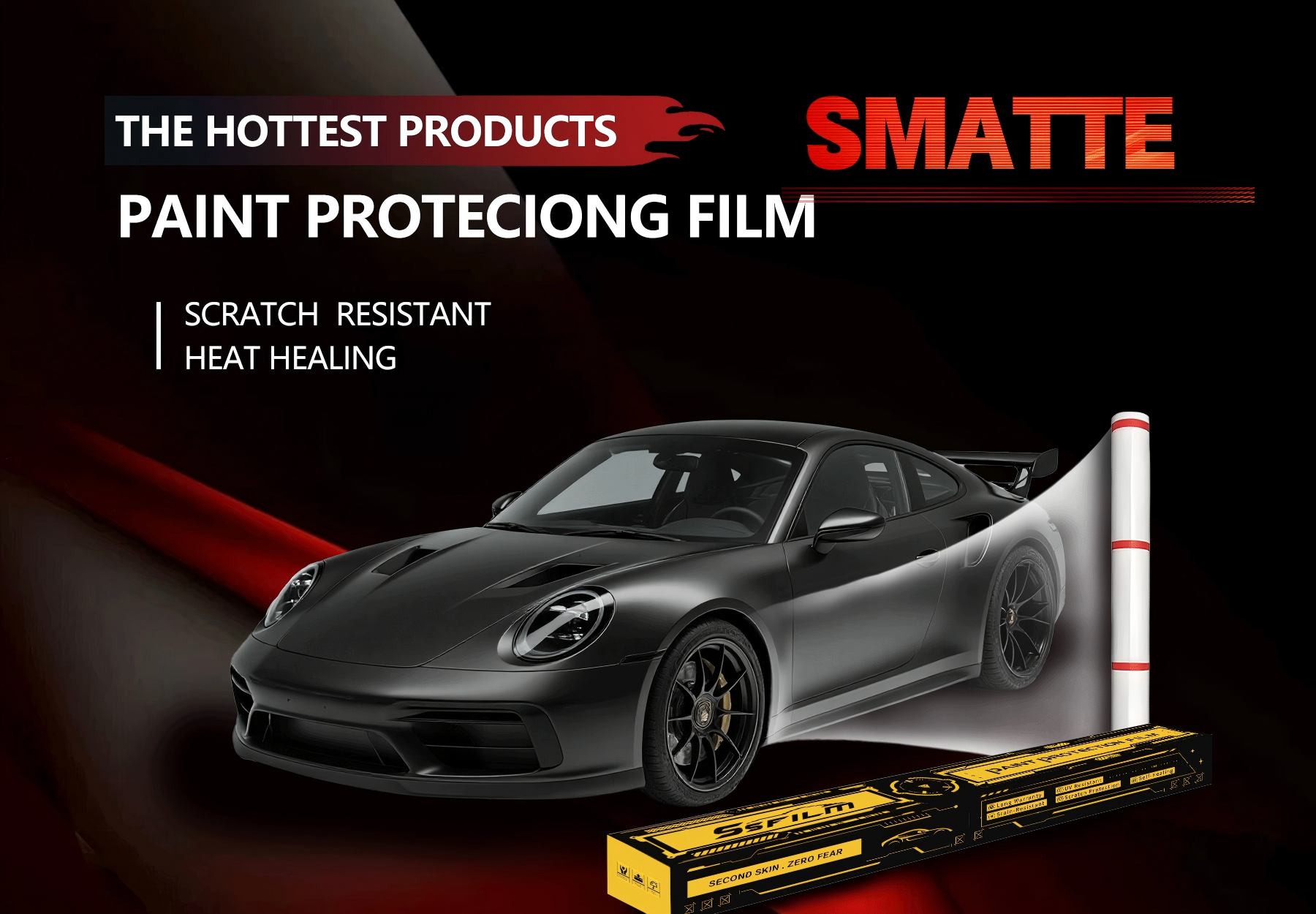
Smatte Series 8-year Warranty, 1.52*15m Clear Gloss TPU

SXs 7.5mil hydrophobicity invisible paint protection film


