


How much does it cost for a car ppf
For car enthusiasts and daily commuters alike, maintaining a vehicle’s pristine exterior is a top priority. Paint Protection Film (PPF), also known as a "clear bra" or "invisible shield," has emerged as a leading solution to safeguard against scratches, chips, and environmental damage. However, the PPF film price varies significantly depending on material quality, coverage area, and installation expertise. This guide explores the costs, benefits, and considerations of PPF, helping you make an informed decision.
1.Introduction to Paint Protection Film (PPF)
PPF is a thermoplastic polyurethane (TPU) film applied to a vehicle’s painted surfaces to protect against road debris, UV rays, and chemical stains. Unlike traditional wax or ceramic coatings, PPF provides a physical barrier that absorbs impacts and self-heals minor scratches. With advancements in technology, modern PPF films are nearly invisible, maintaining the car’s original gloss while offering durable protection.
The global PPF market is growing rapidly, driven by rising demand for vehicle longevity and aesthetic preservation. A paint protection film supplier typically offers varying grades of PPF, from budget-friendly options to premium self-healing films. But how much should you expect to pay? Let’s break it down.
2.Advantages of PPF Film
2.1 Unmatched Physical Protection
PPF acts as a sacrificial layer, absorbing impacts from gravel, bugs, and minor collisions. Studies show that vehicles with PPF experience up to 40% fewer paint repairs over five years compared to unprotected cars.
2.2 Self-Healing Technology
Premium PPF films feature self-healing properties, where heat (from sunlight or a heat gun) repairs minor scratches over time. This eliminates the need for frequent touch-ups.
2.3 UV Resistance and Color Preservation
PPF blocks harmful UV rays, preventing paint fading and oxidation. This is crucial for maintaining resale value, as buyers often pay a premium for well-preserved exteriors.
2.4 Aesthetic Enhancement
High-quality PPF films are optically clear and enhance the car’s gloss, giving it a "showroom" finish. Some suppliers even offer matte or colored films for customization.
2.5 Cost-Effective Long-Term Savings
While the upfront PPF film price may seem steep, it reduces expenses on paint corrections, touch-ups, and repainting. For luxury vehicles, PPF can save thousands in maintenance costs over its lifespan.

3.Factors Influencing PPF Film Price
The cost of PPF depends on several variables:
3.1 Material Quality
Budget Films: Basic TPU films without self-healing properties cost 500–1,500 for partial coverage.
Mid-Tier Films: Self-healing PPF with UV resistance ranges from 1,500–3,000 for full-body coverage.
Premium Films: Top-tier PPF with ceramic coatings and hydrophobic properties can exceed $5,000.
3.2 Vehicle Size and Complexity
Compact Cars: 500–1,500 (partial) / 1,500–2,500 (full).
Sedans: 1,000–2,500 (partial) / 2,500–4,000 (full).
SUVs/Trucks: 1,500–3,500 (partial) / 3,500–5,000 (full).
Luxury/Exotic Cars: 3,000–8,000+ due to intricate designs and premium materials.
3.3 Coverage Type
Partial PPF: Covers high-impact areas (front bumper, hood, fenders). Costs 30–50% less than full coverage.
Full PPF: Wraps the entire vehicle, offering maximum protection but at a higher price.
3.4 Installer Expertise
Certified installers charge a premium for flawless applications. DIY kits are cheaper but risk bubbling, peeling, or improper alignment.
3.5 Geographic Location
Urban areas with higher labor costs may see PPF film prices 10–20% above national averages.
4.Partial vs. Full PPF: Which One Should You Choose?
4.1 Partial PPF
Best For: Drivers on a budget or those who park in low-risk environments (e.g., garages).
Coverage Areas: Front bumper, hood, side mirrors, and fenders.
Pros: Lower cost, quick installation, and targeted protection.
Cons: Leaves rear and side panels vulnerable to damage.
4.2 Full PPF
Best For: Highway drivers, luxury car owners, or those seeking long-term value.
Coverage Areas: Entire vehicle, including doors, roof, and trunk.
Pros: Comprehensive protection, enhances resale value, and eliminates paint repairs.
Cons: Higher upfront cost and longer installation time (1–3 days).
Decision Tip: If you drive frequently on gravel roads or value a flawless exterior, full PPF is worth the investment. For city dwellers with minimal risk, partial PPF offers sufficient protection.

5.Key Considerations When Installing PPF
5.1 Surface Preparation
The vehicle must be thoroughly cleaned and decontaminated before installation. Dust or residue can cause bubbling.
5.2 Temperature Control
Installers should work in climate-controlled environments (65–75°F). Extreme temperatures can affect film adhesion.
5.3 Cutting and Stretching Techniques
Precision cutting is critical. Overstretching the film can distort its shape, while understretching leaves gaps.
5.4 Post-Installation Care
Avoid washing the car for 48–72 hours after installation. Use pH-neutral cleaners and microfiber towels to prevent scratches.
5.5 Warranty and Supplier Reputation
Choose a paint protection film supplier with a solid warranty (5–10 years) and positive reviews. Ask for samples or references before committing.
6.Conclusion
The PPF film price reflects its ability to preserve your vehicle’s appearance and value. While costs vary, investing in high-quality PPF from a reputable supplier ensures long-term savings and peace of mind. Whether you opt for partial or full coverage, PPF is a wise choice for anyone looking to protect their car from daily wear and tear.
FAQs About PPF Film
A:Premium PPF films last 5–10 years with proper care, while budget options may degrade in 3–5 years.
Q:Can PPF be removed without damaging the paint?
A:Yes, but always hire a professional. Improper removal can leave adhesive residue or scratch the paint.
Q:Does PPF require maintenance?
A:No, but regular washing with gentle products extends its lifespan. Avoid abrasive tools.
Q:Can I apply PPF myself?
A:DIY kits are available, but professional installation is recommended for seamless results.
Q:Where can I find a reliable paint protection film supplier?
A:Research local suppliers with certifications (e.g., XPEL, 3M) and read customer reviews before purchasing.
By understanding the costs, benefits, and installation nuances of PPF, you can make an informed decision that protects your investment for years to come.
Explore Business Opportunities with SsFilm
Recommended Products

Heat Self-healing tinted TPU paint protection film

Excellent flexibility 7.5mil green TPU color paint protection film

Excellent flexibility black gloss TPU color paint protection film
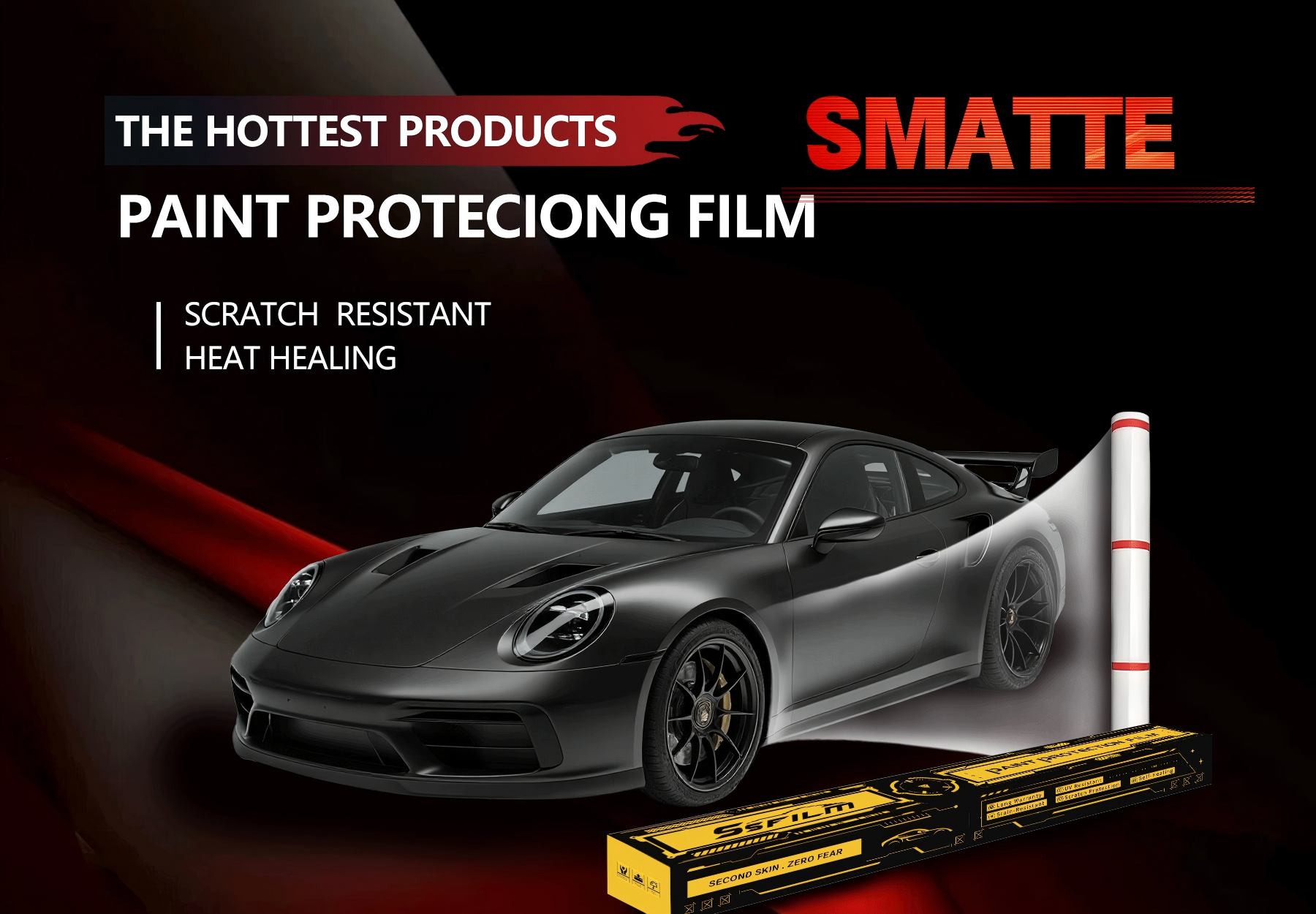
Smatte Series 8-year Warranty, 1.52*15m Clear Gloss TPU

SXs 7.5mil hydrophobicity invisible paint protection film

SX 7.5mil easy installation transparent paint protection film for car

SFs 7.5mil High elasticity truck paint protection film

SF instant heat-healing clear paint protection film for new car


