


Colored PPF Film vs Wrap: Which Is Better
Drivers face a clear trade-off. Colored paint protection film delivers superior protection and durability. Vinyl wrap delivers greater customization and cost savings.
A color ppf film is a thick, clear-coated thermoplastic polyurethane sheet that adds a factory-matched or custom color while shielding the paint beneath it. A vinyl wrap is a thinner PVC film applied over the bodywork purely for appearance.
Protection, durability, cost, appearance, and installation separate these two paths. Each factor carries different weight for different owners. The closing recommendations rank them by priority, so the right answer follows from your goals rather than from the material alone.
Key Takeaways
Colored PPF film protects your car's paint from chips, UV rays, and chemicals better than vinyl wrap.
Vinyl wrap costs less upfront and offers many color choices for a quick style change.
Colored PPF film lasts longer and often comes with warranties up to 10 years.
Vinyl wrap typically needs replacement sooner, so it may cost more over time.
Choose colored PPF for long-term protection or vinyl wrap for budget and customization.
Color PPF Film vs. Vinyl Wrap Materials
TPU vs. PVC Composition
The two products start with different base materials. A color ppf film uses premium aliphatic TPU, which stands for thermoplastic polyurethane. TPU is a flexible plastic with rubber-like elasticity. It stretches under stress and returns to its original shape. Aliphatic TPU resists yellowing from sunlight far better than older aromatic grades.
Vinyl wrap uses PVC, or polyvinyl chloride. PVC is a rigid plastic made soft and pliable through plasticizers. It holds color well and costs less to produce. The material is thinner and less elastic than TPU. These base differences shape everything that follows, from protection to lifespan.
Thickness and Flexibility
SsFilm Color PPF comes in 7.5mil, 8mil, and 7mil thickness options. Each mil equals one thousandth of an inch. Even the thinnest option carries more material than a typical vinyl wrap. The extra thickness gives the film more mass to absorb impacts from stones and road debris.
Flexibility follows the same pattern. TPU stretches to follow curves, body lines, and recessed panels without heat. Vinyl needs heat and careful stretching to conform to complex shapes. A thicker TPU film still installs cleanly because the material moves with the panel. The result is a film that protects the paint beneath it while holding a deep, even color across every surface.
Durability and Lifespan
Expected Years of Service
Service life depends on material chemistry, sun exposure, and care. SsFilm Color PPF carries warranties ranging from 2 to 10 years across its product line. The warranty length tracks the thickness option and the intended application. A thicker film generally earns a longer coverage term. This range reflects the material's engineered resilience, not a marketing estimate.
Vinyl wrap follows a different curve. PVC holds its appearance well in the short term. Prolonged sun exposure gradually wears the plasticizers out of the film. The surface then turns brittle and loses its stretch. Most vinyl owners plan for replacement on a shorter cycle than color PPF owners. Climate matters for both products. A vehicle parked outdoors in strong sun ages faster than a garaged one. Regular washing extends the service window for either material.
Yellowing and Cracking Resistance
Yellowing is the visible sign of a film breaking down under ultraviolet light. SsFilm Color PPF uses aliphatic TPU. This chemistry resists yellowing far better than older aromatic TPU grades. The film also blocks over 99% of harmful UV rays. That coating protects the paint beneath it from fading and oxidation. The top layer stays optically clear, so the color holds its depth over time.
Cracking tells a similar story. TPU stretches and recovers under stress. The film absorbs impacts from stones and road debris without fracturing. Extreme temperatures do not embrittle it. Vinyl is thinner and less elastic. Repeated flexing and heat cycles can lead to surface cracks at tight body lines. Color PPF resists this failure mode through its rubber-like elasticity. The result is a film that keeps its finish and its protective barrier intact through years of daily driving.
Color PPF Film Protection Performance
Chip and Impact Resistance
Road debris strikes paint at speed. A stone thrown from a tire can chip through a factory clear coat in an instant. A color ppf film absorbs that energy before it reaches the panel. The TPU layer carries enough mass to cushion the blow, and its elasticity spreads the force across a wider area. The film takes the damage, and the paint underneath stays intact.
Chemical exposure tests the film from a different angle. Acid rain, bird droppings, water, oil, and grime all settle on the surface during normal driving. The film resists these substances and repels them for easy cleaning. A special coating also prevents rain-spot etching, which leaves permanent marks on unprotected paint. The film blocks over 99% of harmful UV rays, so the paint beneath it does not fade or oxidize. This protection preserves the original factory paint, and a clean original finish supports resale value at trade-in.
Heat Self-Healing
Minor surface marks are a normal part of daily driving. Light scratches and swirl marks appear on any exterior film over time. Heat self-healing changes that outcome. The TPU material flows back into shape when warmed, and small marks close up on their own. Sun exposure alone often provides enough heat to trigger the effect. A warm garage or a careful heat application handles the rest.
This feature extends the film's service window in a practical way. The surface stays smooth and clear instead of collecting a web of fine scratches. The color holds its depth, and the gloss stays even across panels. Owners spend less time and money on cosmetic correction. The self-healing property works alongside the impact absorption and chemical resistance described above. Together, these traits keep the film performing as a protective barrier rather than a cosmetic layer alone.
Appearance and Finish Options
Color Range and Depth
Color choice shapes the first impression of any build. SsFilm Color PPF covers a wide spectrum of vibrant hues, so owners can move beyond factory palette limits without repainting. The film carries pigment through its TPU layer rather than sitting as a thin printed skin on top. That construction gives each shade a saturated, even tone across the hood, doors, and fenders.
Depth separates a good color film from a flat one. The optical clarity of the TPU layer enhances paint depth and gloss, and the surface reads as a mirror-like finish under daylight. Light travels through the clear top layer, reflects off the color beneath, and returns with a richer look than a simple pigment coat provides. Vinyl wrap also offers broad color selection, and many owners choose it for bold, trend-driven shades. Color PPF fits owners who want a factory-quality look with protection built into the same layer.
Gloss, Matte, and Specialty Finishes
Finish changes the character of a color as much as the hue itself. SsFilm Color PPF ships in finishes from glossy to matte, so the same shade can read as a deep wet-look gloss or a soft, low-sheen matte. Gloss finishes suit classic and performance builds. Matte finishes hide minor surface imperfections and give modern vehicles a stealth appearance.
Specialty finishes extend the range further for owners who want a distinctive result. The film holds its finish evenly across curved panels because the TPU stretches with the body lines. Vinyl wrap covers the same finish categories and remains a strong choice for experimental or short-term looks. Color PPF suits owners who plan to keep the finish for years and want the surface to stay consistent through sun exposure and washing.
Installation Methods
Application Process
Color PPF typically goes on wet. The installer sprays a slip solution onto the panel and the adhesive side of the film. This layer lets the film slide into position before the squeegee locks it down. Wet installation gives the installer room to align edges, stretch the material around curves, and push out trapped air and solution. SsFilm Color PPF is engineered for easy installation, and its flexibility helps the film conform to body lines and recessed panels.
Vinyl wrap usually follows a dry or hybrid approach. The installer applies the film directly and uses heat to stretch it over complex shapes. A thinner PVC sheet responds quickly to a heat gun, which makes it forgiving on tight curves and simple panels. The trade-off is less room for repositioning once the adhesive touches the surface. Each method rewards a different kind of hand skill.
Skill and Removal
Both products demand trained hands, yet the demands differ. Vinyl is thinner and more forgiving with heat, so many installers find it a friendlier material for learning curve work. Color PPF wet installs allow better positioning, which helps on large panels and full-body jobs. A skilled installer reads the panel, chooses the right method, and controls tension across every surface.
Removal follows the same logic. Vinyl comes off in a relatively straightforward peel, and most owners treat it as a temporary layer. Color PPF bonds more thoroughly because it is designed to stay for years. Professional removal with controlled heat lifts the film cleanly and leaves the factory paint intact. That preserved paint is the point of the product. Owners should plan removal as an installer task, not a weekend project.
Cost Comparison
Upfront Price Ranges
The two products sit in different price tiers at the point of sale. Vinyl wrap uses PVC, a lower-cost base material, and it is thinner and quicker to produce. That lower material cost carries through to the quoted price. A vinyl job typically asks less money upfront than a color PPF job on the same vehicle.
Color PPF costs more for clear reasons. Premium aliphatic TPU costs more to manufacture than PVC. The film is also thicker, and SsFilm Color PPF ships in 7.5mil, 8mil, and 7mil options. More material per square foot means a higher price per roll. Installation adds to the gap. A wet install on thick film takes more time and skill than a heat-stretched vinyl application. Owners who compare quotes should compare like for like: full body versus partial coverage, and standard versus specialty finishes.
Long-Term Value
Upfront price tells only half the story. SsFilm Color PPF carries warranties ranging from 2 to 10 years across its product line. The warranty term tracks the thickness option and the intended application. Vinyl wrap generally follows a shorter replacement cycle, so an owner may pay for two or three vinyl jobs across the same span that one color PPF installation covers.
Protection adds value that a price sheet does not show. Color PPF absorbs impacts from stones and road debris, resists acid rain and bird droppings, and blocks over 99% of harmful UV rays. It preserves the original factory paint, and a clean original finish supports resale value at trade-in. Vinyl protects the paint far less. An owner who plans to keep the vehicle for many years often finds the color PPF cost spread across a longer service window. An owner who wants a new look for a season or two finds vinyl's lower entry price hard to beat.
Maintenance and Care
Washing and Daily Upkeep
Routine care keeps either film looking sharp, and the routine is simple. Wash the vehicle by hand with a pH-neutral car shampoo and a soft microfiber mitt. Rinse thoroughly to lift loose dirt before contact. Dry with a clean microfiber towel to prevent water spots. SsFilm Color PPF repels water, oil, and grime, so most road film rinses away with little effort. A special coating also prevents rain-spot etching, which leaves permanent marks on unprotected paint.
Skip the automatic brush wash. Stiff bristles abrade any exterior film over time. Avoid abrasive polishes and harsh solvents as well. Bird droppings and tree sap should come off promptly, since the film resists them but prolonged contact serves no purpose. Sun exposure alone often warms the TPU enough to close light scratches and swirl marks through heat self-healing. A warm garage or a careful heat application handles the rest. Vinyl calls for the same gentle washing routine, though its thinner PVC surface offers less margin against abrasion.
Repair and Replacement
Small surface marks rarely need attention on color PPF. Heat self-healing closes light scratches on its own, so the finish stays smooth without polishing. Damage that reaches through the film calls for panel replacement rather than spot repair. A trained installer can lift and replace a single panel while the rest of the film stays in place. SsFilm Color PPF carries warranties ranging from 2 to 10 years, and the term tracks the thickness option and the intended application.
Full removal is an installer task. The film bonds thoroughly because it is designed to stay for years. Professional removal with controlled heat lifts it cleanly and leaves the factory paint intact. Vinyl follows a shorter replacement cycle, and most owners treat it as a temporary layer. It peels off in a relatively straightforward process. Owners of either product should budget for professional service at the end of the film's life.
Side-by-Side Comparison
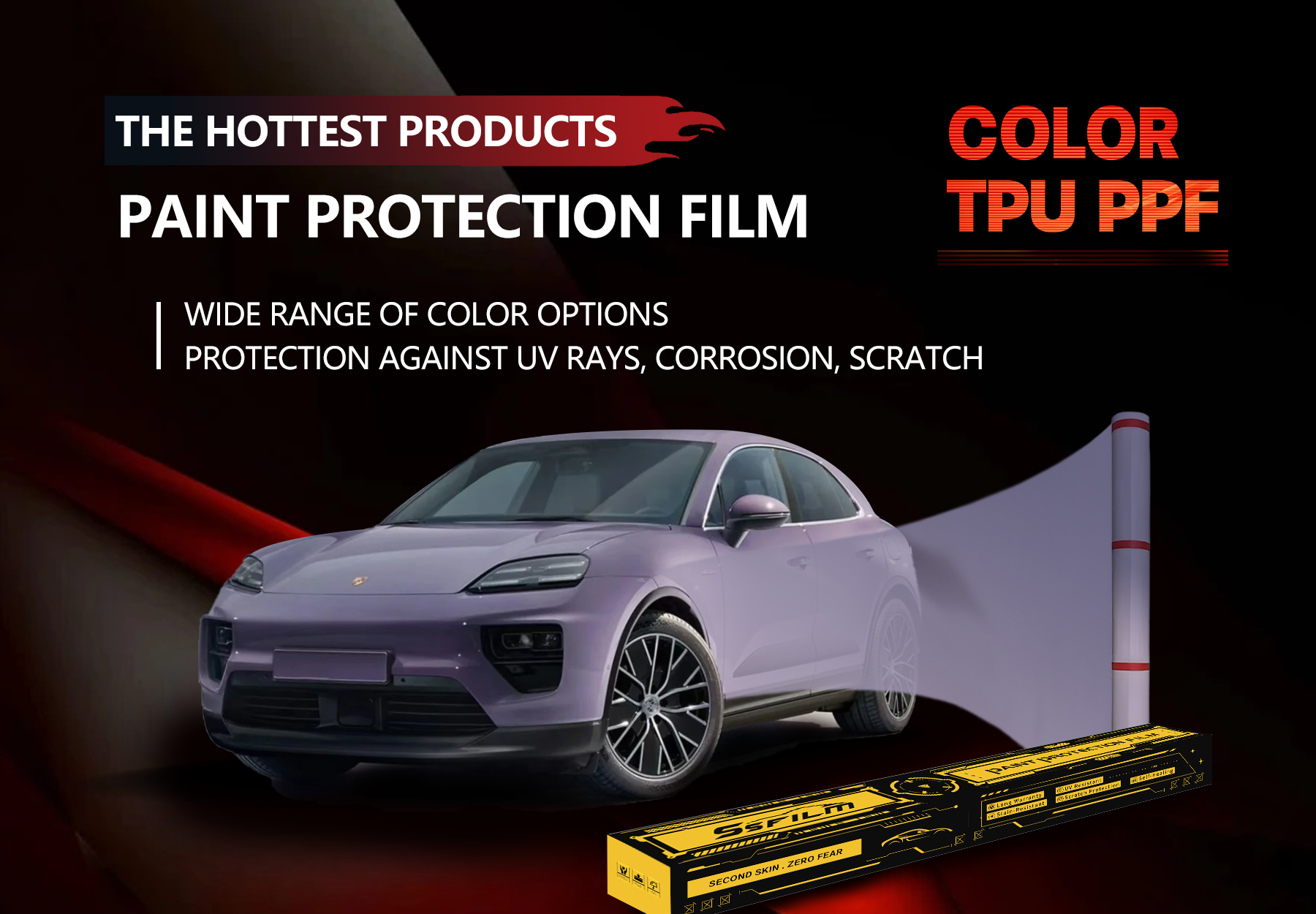
Protection, Durability, and Lifespan
The table below condenses the six decision factors into a single reference. Read each row as a statement of fit, not a verdict. Both products serve real owners well.
Factor | Color PPF Film | Vinyl Wrap |
|---|---|---|
Protection | Absorbs stone and debris impacts; resists acid rain, bird droppings, water, oil, and grime; blocks over 99% of UV rays | Cosmetic layer; limited impact absorption; guards paint against light contact |
Durability | Aliphatic TPU resists yellowing and cracking; heat self-healing closes light scratches | PVC holds color well short term; plasticizers wear under prolonged sun exposure |
Lifespan | Warranties from 2 to 10 years, tracking thickness option | Shorter replacement cycle; often treated as a temporary layer |
Cost | Higher upfront price; premium TPU and thicker film | Lower upfront price; lower material cost |
Appearance | Wide hue range; glossy to matte finishes; optical clarity enhances depth and gloss | Broad color selection; strong for bold, trend-driven shades |
Installation | Wet install allows positioning; thicker film demands trained hands | Dry or hybrid install; thinner PVC responds quickly to heat |
The protection row carries the widest gap. A color ppf film adds a physical barrier with real mass. SsFilm options at 7.5mil, 8mil, and 7mil give the film material to absorb energy before a stone reaches the panel. Vinyl sits thinner and works mainly as a cosmetic skin. The durability row follows the same chemistry. Aliphatic TPU resists yellowing far better than older aromatic grades, and heat self-healing keeps the surface smooth. PVC performs well early, then ages faster under strong sun. Lifespan reflects these traits directly. The 2-to-10-year warranty range on color PPF tracks thickness and application, while vinyl owners typically plan for replacement sooner.
Cost, Appearance, and Installation
Cost favors vinyl at the point of sale. PVC costs less to produce, and the thinner film installs faster. Color PPF asks more money upfront for premium TPU, extra thickness, and a longer wet install. Long-term value shifts the picture. One color PPF installation can outlast several vinyl jobs, and preserved factory paint supports resale value at trade-in.
Appearance splits along intent. Vinyl suits owners who want a bold shade for a season or two. Color PPF suits owners who want a factory-quality finish that holds its depth through years of sun exposure and washing. Installation splits along skill. Many installers find vinyl more forgiving with heat, while color PPF wet installs allow better positioning on large panels. Neither method is easier in absolute terms. Each rewards a different hand skill, and a trained installer matches the method to the panel.
Which Should You Choose?
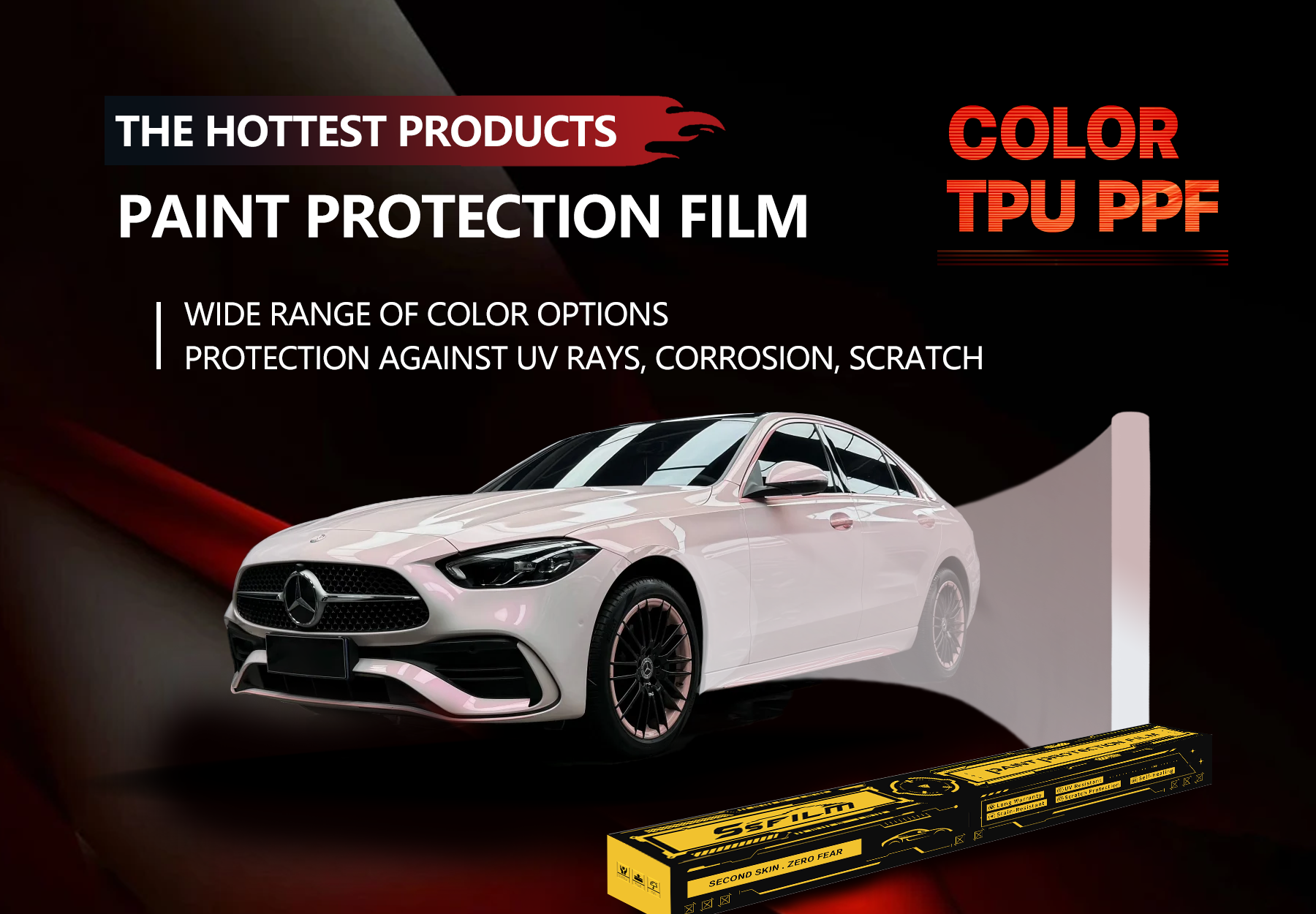
The decision comes down to what you value most. Protection and longevity point one way. Budget and color freedom point the other. Neither path is wrong, and the right pick depends on your vehicle, your climate, and how long you plan to keep the car.
Best for Long-Term Protection
Choose a color ppf film when protection sits at the top of your list. The aliphatic TPU layer absorbs impacts from stones and road debris. It resists acid rain, bird droppings, water, oil, and grime. It blocks over 99% of harmful UV rays, and it preserves the original factory paint for resale value. SsFilm Color PPF carries warranties ranging from 2 to 10 years, with thickness options at 7.5mil, 8mil, and 7mil. Heat self-healing closes light scratches on its own, so the surface stays smooth between washes. Owners who park outdoors, drive high-mileage routes, or plan to keep the vehicle for many years get the most from this path. The higher upfront price spreads across a long service window, and the paint underneath stays factory-fresh.
Best for Budget and Customization
Choose vinyl wrap when the budget is tight and the color palette matters most. PVC costs less to produce, and the thinner film installs faster, so the quoted price stays lower. Vinyl covers a broad range of bold, trend-driven shades, and it suits owners who want a new look for a season or two. The shorter replacement cycle fits that intent. An owner who changes styles often finds vinyl's lower entry price hard to beat.
A hybrid option sits between the two. Apply a clear paint protection film first, then lay a vinyl wrap over it. The PPF shields the paint from impacts and UV exposure, and the vinyl supplies the color. This middle path costs more than vinyl alone and less than a full color PPF job in many cases. It also lets an owner refresh the color later without touching the protective layer.
Installers differ on ease. Vinyl is thinner and more forgiving with heat, so many hands find it friendlier on tight curves. Color PPF wet installs allow better positioning on large panels, which helps on full-body jobs. Each method rewards a different skill, and a trained installer matches the approach to the panel.
Match the choice to your goals, your vehicle use, and your time horizon. Then consult an installer for a quote on your specific car.
The core trade-off is simple. Colored PPF buys protection and longevity. Vinyl wrap buys color freedom and a lower entry price.
Prioritize long-term protection? Choose colored PPF. Prioritize budget and a wide color palette? Choose vinyl wrap. A hybrid approach — vinyl laid over clear PPF — splits the difference and lets you refresh the color later.
Match the choice to your goals, your vehicle use, and your time horizon. Then consult a trained installer for a quote on your specific car.
FAQ
How long does colored PPF last?
SsFilm Color PPF carries warranties ranging from 2 to 10 years. The term tracks the thickness option and the intended application. Sun exposure, climate, and washing habits also shape real-world service life. A garaged vehicle typically ages more slowly than one parked outdoors.
Does colored PPF really heal scratches?
Yes, within limits. The TPU layer flows back into shape when warmed, so light scratches and swirl marks close on their own. Sun exposure often supplies enough heat. Deep damage that reaches through the film needs panel replacement instead.
Can I install colored PPF myself?
Wet installation rewards trained hands. The slip solution allows repositioning, yet thick film demands controlled tension across large panels and tight curves. Professional removal with controlled heat also protects the factory paint at the end of the film's life. Most owners should consult a trained installer.
Will colored PPF damage my paint?
No. The film preserves the original factory paint. It blocks over 99% of harmful UV rays and resists acid rain, bird droppings, water, oil, and grime. Professional removal lifts the film cleanly and leaves the paint intact, which supports resale value at trade-in.
Does colored PPF cost more than vinyl wrap?
Yes, at the point of sale. Premium aliphatic TPU costs more to manufacture than PVC, and the film is thicker. Long-term value shifts the picture. One color PPF installation can outlast several vinyl jobs across the same span.


